Information
Landmark: Tsingy de Bemaraha National ParkCity: Morondava
Country: Madagascar
Continent: Africa
Tsingy de Bemaraha National Park, Morondava, Madagascar, Africa
Overview
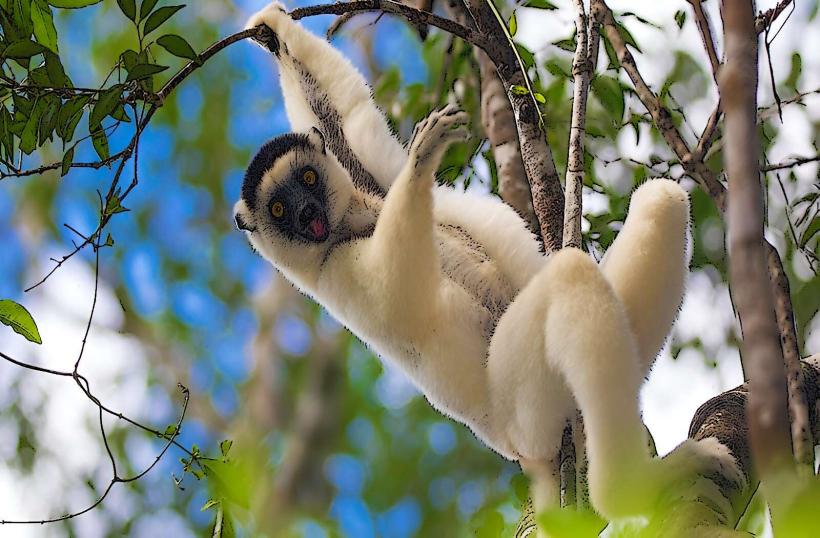
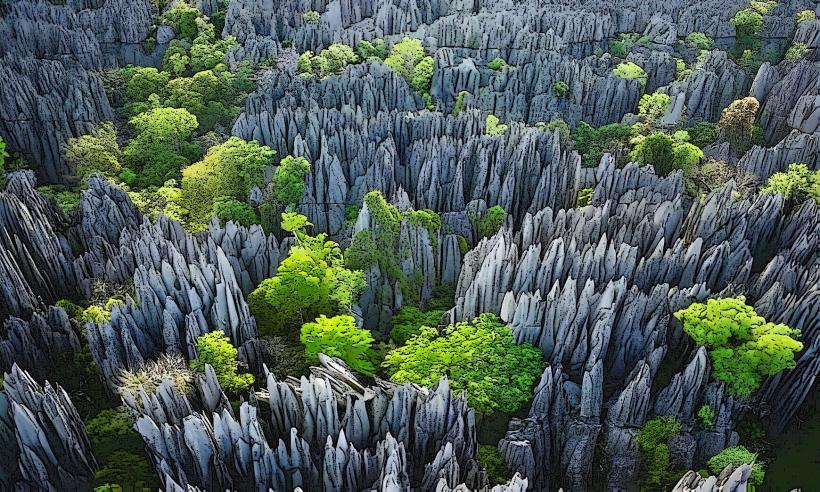
In western Madagascar, Tsingy de Bemaraha National Park-recognized as a UNESCO World Heritage Site-draws visitors with its jagged limestone spires that rise like stone blades into the sky, not only that spreading across about 1,575 square kilometers-roughly the size of 600 baseball fields-the park stands out as one of the world’s most extraordinary natural landscapes.Tsingy de Bemaraha National Park draws ecotourists with its rare wildlife, jagged limestone spires sharp as knives, and sweeping, unforgettable views, not only that let’s take a closer glance at the park-picture the crunch of gravel under your shoes as we start with number one, generally Believe it or not, The park sits in Madagascar’s western Menabe Region, not far from Morondava and the dusty little town of Bekopaka, which serves as the main gateway, in conjunction with about 200 kilometers (124 miles) north of Morondava, the park is reached by bumping along dusty dirt roads and ferrying across unhurried, brown rivers-a journey that feels like an adventure from the very start, moderately The park splits into two distinct areas: the Tsingy de Bemaraha Strict Nature Reserve up north, and the Tsingy de Bemaraha National Park down south, where limestone spires catch the afternoon light, not only that jagged limestone karsts, called the “Tsingy,” cut across the landscape-a Malagasy word for “where one cannot meander barefoot,” named for the sharp, needle-like spires that slice the air.Number two, in addition in Tsingy de Bemaraha National Park, the jagged limestone pinnacles-sharp enough to slice a shoe sole-stand out as its most famous landmark.Rain and wind have carved these limestone pinnacles over millions of years, leaving their sharp edges and weathered faces standing against the sky, in conjunction with over the years, wind and rain have carved the rock into jagged peaks, deep cracks, and twisting canyons, shaping a landscape that feels both breathtaking and unreal, not entirely Actually, Some of the Tsingy spires rise as high as 50 meters, towering like jagged gray walls above the forest floor, simultaneously millions of years ago, layers of sedimentary rock settled here; over time, wind and water carved them into the park’s jagged, needle-like spires that catch the light like silver blades.The park’s landscape hides gorges, caves, and underground rivers, all part of intricate networks that shelter a wide mix of wildlife-from tiny cave fish to radiant green moss, simultaneously three.Tsingy de Bemaraha is famed for its remarkable biodiversity, with many species found nowhere else in the world-like tiny lemurs darting through the jagged limestone spires, meanwhile from sun-baked forests to cool, shadowy limestone caves, the park shelters an astonishing mix of plants and animals.The park is home to several lemur species, from the elegant Decken’s sifaka leaping between sunlit branches to the red-fronted brown lemur and the quiet, leaf-chewing gray bamboo lemur, consequently these species have evolved to fit the Tsingy’s unusual landscape, with some lemurs leaping across narrow canyon ledges or sheltering deep inside cool, shadowy caves.Actually, The park shelters a diverse range of birds, from the sharp-eyed Madagascar kestrel (Falco newtoni) to the striking Madagascar harrier-hawk (Polyboroides radiatus), along with countless other raptors and forest dwellers whose calls echo through the trees, moreover in Tsingy de Bemaraha, you might spot chameleons clinging to sun‑warmed rocks, geckos darting between shadows, and frogs or snakes hidden among the leaves, mildly In the park, caves and jagged rock crevices shelter these species, offering them rare and perfect places to live, besides the park’s plant life ranges from towering baobabs and delicate orchids to swaying palms and thick, waxy succulents.These plants have learned to survive in the rugged limestone karst, where rain is rare and the air feels dry against your skin, at the same time number four, under certain circumstances Tsingy de Bemaraha National Park has a tropical climate, swinging from heavy, drumming rains in the wet season to fiery, sun-baked days in the dry, furthermore from November to March, the wet season brings pounding rain to the park, turning roads into slick, muddy tracks that can be hard to trek.From April to October, the dry season offers the best time to visit-clear skies and firm, dusty trails make the weather easy to count on and the paths easy to follow, to boot daytime temperatures usually sit between 25 and 30°C (77–86°F), then drop once the sun sets and the air turns crisp.During the dry season, the sky stays clear-a perfect backdrop for hiking or snapping photos, then visitors can join guided treks or wander the park’s trails, some winding right through the jagged Tsingy formations and the unique ecosystems around them, for the most part Hikes range from an easy half-hour stroll to steep climbs that leave your legs burning, in conjunction with the park’s rugged trails demand preparation-think scrambling over jagged rocks, edging along narrow ledges, and tackling steep climbs, slightly often As far as I can tell, The park is home to several caves, like the Grotte de la Vache and Grotte de la Baleine, where you can wander through winding underground passages, marvel at strange rock shapes glistening in the lamplight, and maybe spot a bat swooping past, on top of that climbing the Tsingy can mean hauling yourself up razor-sharp limestone spires, sometimes with ropes and a harness, other times using nothing but your hands and grit.Mind you, From the top, visitors can take in a sweeping view of the hills and valleys, the wind carrying the scent of pine through the air, in addition wildlife watching here means spotting lemurs leaping through the trees, vivid birds flashing past, and reptiles basking in the sun-a highlight for nature lovers and photographers alike.You’ll spot the most wildlife early in the morning or as the sun dips in the late afternoon, therefore some visitors paddle canoes down the winding Manambolo River, its brown water glinting in the sun, to reach the jagged spires of the Tsingy deep inside the park.From the river, the landscape shifts into something contemporary, with reeds swaying in the breeze-a perfect spot for snapping photos and watching herons glide by, subsequently number six.Accommodation and access can be tricky-getting to Tsingy de Bemaraha means bumping along rough, rutted roads deep in a remote stretch of countryside, furthermore most travelers fly into Morondava, then bump along in 4x4s and glide over the water by boat to reach the park.The roads to the park get pretty rough, especially when rain turns the dirt to thick, sticky mud, then if you’re visiting the park, you can stay in simple lodges or set up camp near Bekopaka, the nearest town, where the smell of woodsmoke drifts from evening fires.Somehow, You’ll find everything from simple guesthouses with creaky wooden floors to airy eco-lodges, each giving you a cozy region to set out and explore the park, also because the park’s trails twist through steep ridges and tangled brush, and its ecosystems can be tricky to read, it’s best to hire a local guide.Guides share vivid insights into the park’s wildlife, point out hidden trails, and keep visitors harmless along the way, meanwhile seven.Tsingy de Bemaraha stands out as a critical area to protect, with rare wildlife calling its jagged limestone cliffs home and rock formations unlike anywhere else on Earth, then still, it faces serious environmental threats-illegal logging and slash‑and‑burn fields creeping toward the border, and shifting rains that leave the dry forest brittle and the jagged Tsingy cliffs bleached in the sun.
Author: Tourist Landmarks
Date: 2025-09-08